
Highlight 33/2026: Ghana-EU Security Cooperation: Navigating Emerging Threats and Regional Security
Jude Delle, 10 November 2026
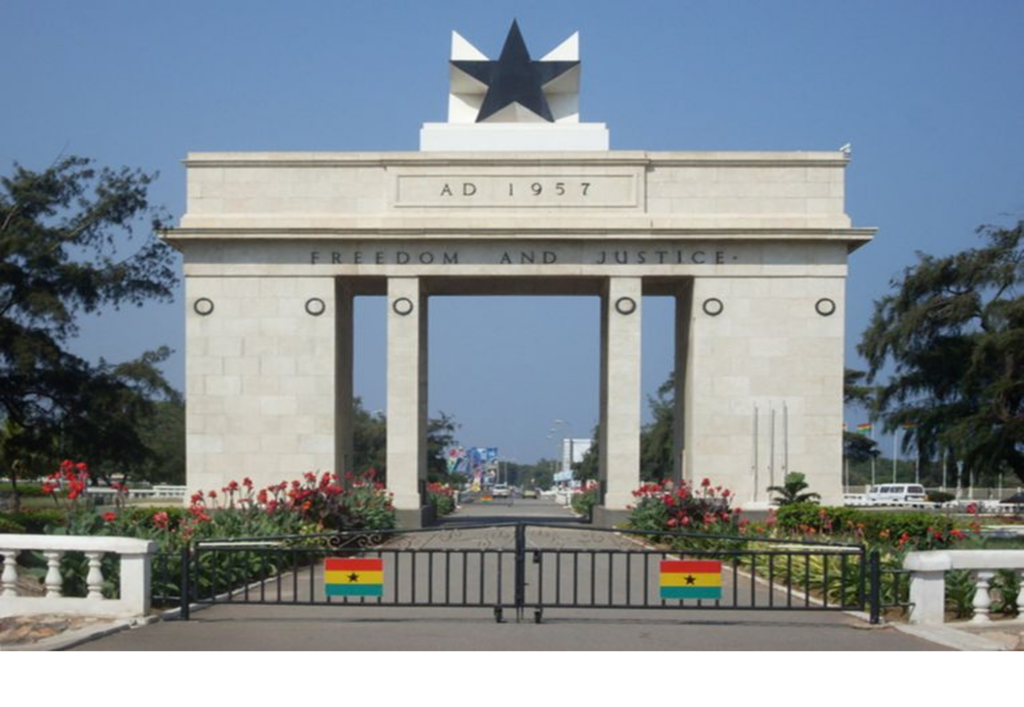
Following Ghana’s independence in 1957, the European Union and its Member States have sought active partnerships and diplomatic alliances with Ghana and other African partners. Established in 1976, the Delegation of the European Union to Ghana was formally instituted as a permanent diplomatic mission tasked with representing the bloc’s geopolitical and institutional interests within the country. In addition to the EU Delegation, ten Member States (Austria, the Czech Republic, Denmark, France, Germany, Hungary, Italy, Malta, the Netherlands, and Spain) maintain resident embassies or high commissions in Ghana.
The 2026 Europe Day reception in Accra commemorated 50 years of Ghana-EU relations, signaling a transition from traditional development aid toward a mutually beneficial strategic partnership, spanning trade, governance, security, agriculture, health, education and institutional strengthening.
Instability in the Sahel, violent extremism, transnational crime, maritime insecurity and cybercrime threaten to alter Ghana’s domestic security architecture, thereby generating convergent security priorities between Ghana and the European Union. On 24th March 2026, Ghana became the first African Country to sign a Security and Defense Partnership with the EU which further marked an important milestone/expansion of the relationship.
While Jama’at Nusrat al-Islam wal-Muslimin (JNIM) has executed cross-border incursions into several littoral Gulf of Guinea states, Ghana remains the notable exception to these direct kinetic attacks. For decades, Ghana’s reputation as West Africa’s a most stable democracy is not just a legacy – it is an asset that is greatly cherished. That record, however, is more fragile than ever. A critical inflection points in regional spillover dynamics occurred in February 2026, when an ambush attributed to the Al-Qaeda-linked militant faction JNIM resulted in the fatalities of seven Ghanaian citizens engaged in trans-border commerce in the northern town of Titao, Burkina Faso. So, the signed Defense and Security Partnership/agreement with the EU will on one part support implement measures to combat these militant Islamist threats.
Furthermore, through the European Peace Facility and the EU Security and Defence Initiative, the bloc has financed over 30 security projects in Ghana spanning counterterrorism, maritime defense, and cybersecurity.
This institutional framework is reinforced by the strategic handover of advanced tactical assets—including counter-UAV platforms, EOD equipment, drones, and motorcycles, as part of a EUR 50 million EPF package – to directly augment Ghana’s territorial sovereignty and operational readiness.
In essence, Ghana has stayed among the top ten troop contributors to UN peace-keeping operations since 1960, and during its 2022–23 Security Council term at the UN it co-drafted Resolution 2634, the Council’s first text on Gulf of Guinea piracy in a decade.
In conclusion, the Ghana-EU relationship has moved from development cooperation to security cooperation, and now to something closer to a strategic partnership. Ahead of Ghana’s African Union chairmanship in 2027, Ghanaian leadership has however signaled an agenda centered on Pan-African integration, historical reparations, economic sovereignty via the African Continental Free Trade Area (AfCFTA) and coordinated regional security responses that prevent external partners from dictating local security parameters. central theme was the preservation of national autonomy. Nevertheless, the strengthening of ties between Ghana and EU reflects a mutual recognition that regional stability is the bedrock of global progress.
Jude Delle, Highlight 33/2026: Ghana-EU Security Cooperation: Navigating Emerging Threats and Regional Security, 10 November 2026, available at www.meig.ch
The views expressed in the MEIG Highlights are personal to the authors and neither reflect the positions of the MEIG Programme nor those of the University of Geneva