
Highlight 32/2026: Rejoining the EU on Different Terms: The UK’s Post-Brexit Reassessment
Agata Rigo Saitta, 3 November 2026
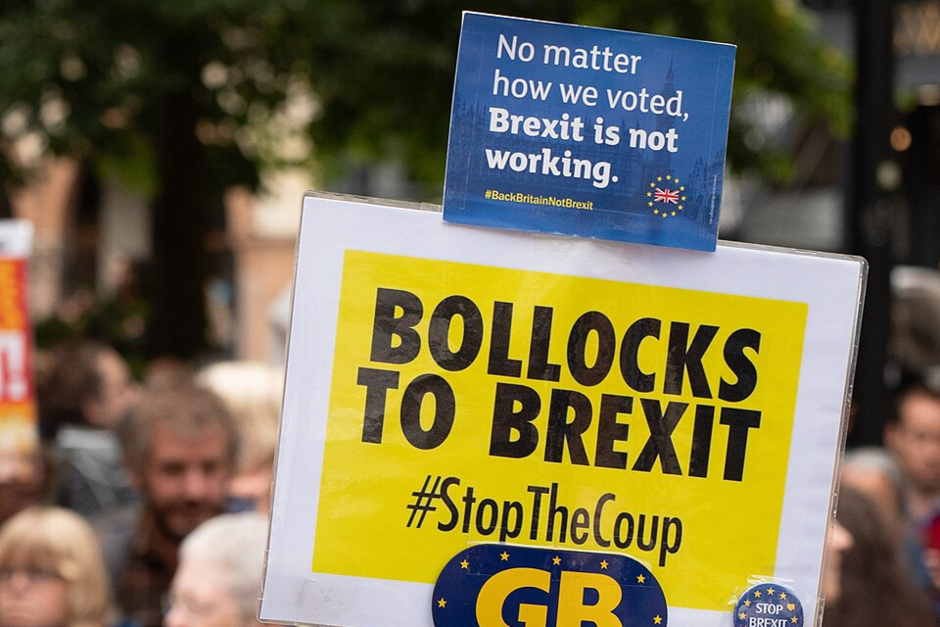

An important element that distinguishes the European Union from a federation is the formal right of secession of its member states. For the first time in EU history, the United Kingdom exercised its such right on the 23rd of June 2016, with 51.9% percent of the population voting to leave the organisation in a national referendum, dubbed Brexit. Within six years of Brexit, almost half of the UK is already supporting a movement to rejoin the EU.
When the UK first joined the EU in January 1973, the EU was still the European Economic Community, which centred nine member states around the primary goal of economic integration. By the time of the UK’s last full year of membership, the EU had grown to 28 member states, with varying levels of participation in each policy area. Scholars define exclusions from EU policies as differentiated integrations (DIs), with the United Kingdom boasting the highest level of ongoing DIs of any member state in 2019.
Throughout its EU membership, the UK secured permanent opt-outs from the Eurozone, retaining the British Pound, the Schengen agreement, maintaining its own border controls, and benefitted from a flexible case-by-case basis opt-in/opt-out arrangement for justice and home affairs. This degree of differentiation was largely possible because treaty amendments require unanimity, awarding existing member states bargaining power for exemptions in cases where the majority wants to adopt a measure. However, this raises the question of the conditions under which the UK would be allowed to rejoin the EU as a candidate state does not hold such leverage.
During the withdrawal negotiations between the UK and the EU, proposals for a security and defence partnership were made, but ultimately failed given the Union’s reluctance to set a policy “cherry-picking” precedent and new third country model. This suggests that if the possibility of the UK rejoining materialized, the EU may be reluctant to award them with as many allowances for differentiation as they did before as an early member.
Former Brexit Chief Negotiator Michel Barnier argues that negotiating an opt-out from the Eurozone and Schengen area would still be possible if the UK were to reaccede, given the precedent set by other current member states. Yet, other voices are not so certain. Polish foreign minister Radek Sikorsi contends that the EU would not offer the UK a similar deal to the one they had before, including its budget rebate, Euro and Schengen free zone. Having surrendered Margaret Thatcher’s EU budget rebate through Brexit, the UK would likely need to pay £5bn more for renewed membership than it did previously. Moreover, no country has ever negotiated a permanent opt-out from EU law on accession, making it even less likely that the EU will show preferential treatment to the UK.
As Bregret grows and more voices join the ‘Rejoin’ campaign, a report by campaign group Best for Britain suggests that even without formal opt-outs, there are ways to circumvent the Eurozone and Schengen area in practice, as other established members do. The reality of possible reaccession terms for the UK remain largely unknown, with the upcoming EU-UK summit on the 20th of November 2026 as a chance for leaders to reveal their proposed next steps in this bilateral relationship, clarifying the prospects for renewed EU membership.
Agata Rigo Saitta, Highlight 32/2026: Rejoining the EU on Different Terms: The UK’s Post-Brexit Reassessment, 3 November 2026, available at www.meig.ch
The views expressed in the MEIG Highlights are personal to the authors and neither reflect the positions of the MEIG Programme nor those of the University of Geneva