
Highlight 31/2026: The EU’s Changing Waste Export Rules and the Philippines: Closing the Governance Gap
Robi Kate Miranda, 27 October 2026
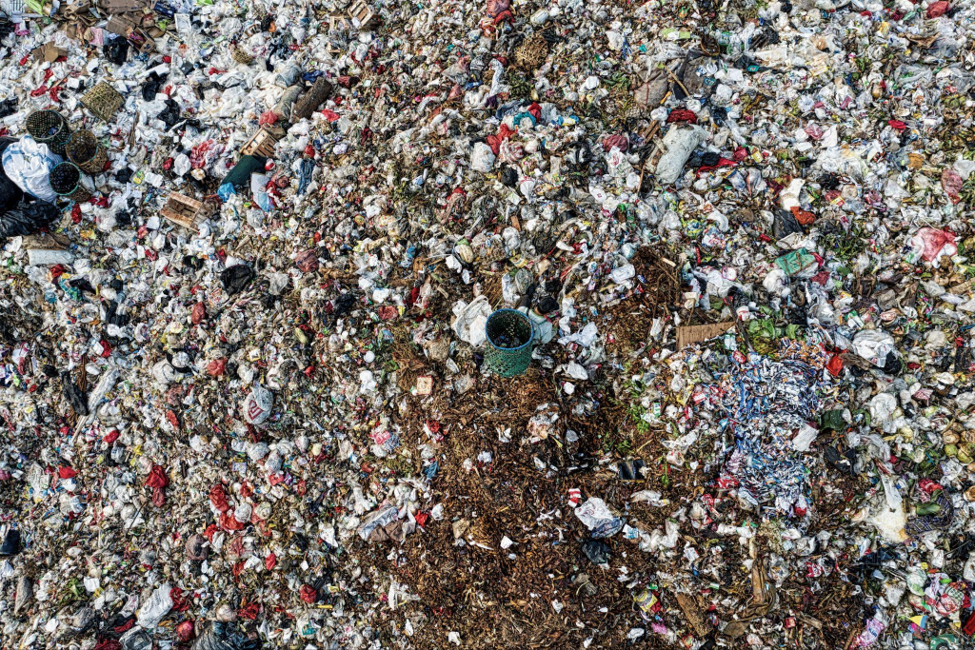
The European Union’s changing rules on waste exports have implications beyond its borders, including for the Philippines, a non-EU country that has faced the environmental costs of imported waste. From 21 November 2026, the EU will prohibit plastic waste exports to non-OECD countries for at least two and a half years. The measure raises a broader question: can stricter export rules help protect importing countries when international safeguards and domestic enforcement remain uneven?
The Philippines has long had legal protections against hazardous waste. It ratified the Basel Convention in October 1993, with the treaty taking effect in January 1994, and enacted Republic Act No. 6969 (Toxic Substances and Hazardous and Nuclear Wastes Control Act of 1990) to regulate toxic substances and hazardous and nuclear wastes. Yet between 2013 and 2014, 103 containers of Canadian waste arrived at the Port of Manila, exposing the gap between legal safeguards and effective enforcement.
The problem intensified after China restricted foreign waste imports in 2018, redirecting waste shipments towards other countries in Southeast Asia. Reports by the Global Alliance for Incinerator Alternatives (GAIA) documented the environmental and social burdens faced by communities affected by the global plastic waste trade.
International rules subsequently tightened. In 2019, parties to the Basel Convention adopted amendments bringing additional categories of plastic waste under the treaty’s control. Since 1 January 2021, covered shipments have been subject to prior informed consent procedures.
The EU went further through its Waste Shipment Regulation (EU) 2024/1157. Its upcoming plastic waste export ban reflects growing concern about the environmental consequences of shipping waste to countries with inadequate management systems. However, the Philippines was not among the EU’s main destinations for plastic waste in 2025, limiting the ban’s likely direct impact.
A separate development offers a more specific perspective on EU-Philippines relations. In September 2026, the European Commission published a draft list of non-OECD countries that could be authorised to receive certain non-hazardous waste. Its assessment of the Philippines was favourable regarding paper waste. This is separate from the plastic waste ban and does not authorise imports of all waste categories.
Meanwhile, the Philippines continues to face domestic enforcement challenges. In April 2025, a Manila Regional Trial Court ruling concerning Subic Bay Freeport Zone’s separate customs territory affected enforcement against private e-waste importers. Environmental groups have challenged the ruling. The Basel Action Network has also flagged more than 234 containers of suspected electronic and plastic waste shipped from the United States since March 2025. These reports raise concerns but do not establish that every container contains illegal or hazardous waste.
Although the Philippines is a Party to the Basel Convention, it has not ratified the Convention’s Ban Amendment, which prohibits certain hazardous waste exports from developed countries to developing countries. The United States of America, meanwhile, is not a Party to the Basel Convention. These differences in treaty participation make it important to examine how waste shipments are classified and which national laws and international arrangements apply.
The EU’s stricter rules are a step forward, but they cannot replace the responsibilities of other exporting countries or effective domestic enforcement. Ultimately, the issue is not simply where waste goes, but who bears the costs of managing it. International safeguards must work alongside accountable institutions to protect communities from environmental burdens generated elsewhere.
Robi Kate Miranda, Highlight 31/2026: The EU’s Changing Waste Export Rules and the Philippines: Closing the Governance Gap, 27 October 2026, available at www.meig.ch
The views expressed in the MEIG Highlights are personal to the authors and neither reflect the positions of the MEIG Programme nor those of the University of Geneva