Highlight 29/2026: From opt-out to opt-in: Denmark’s changing role in EU defence cooperation
Mayada Magdi, 13 October 2026
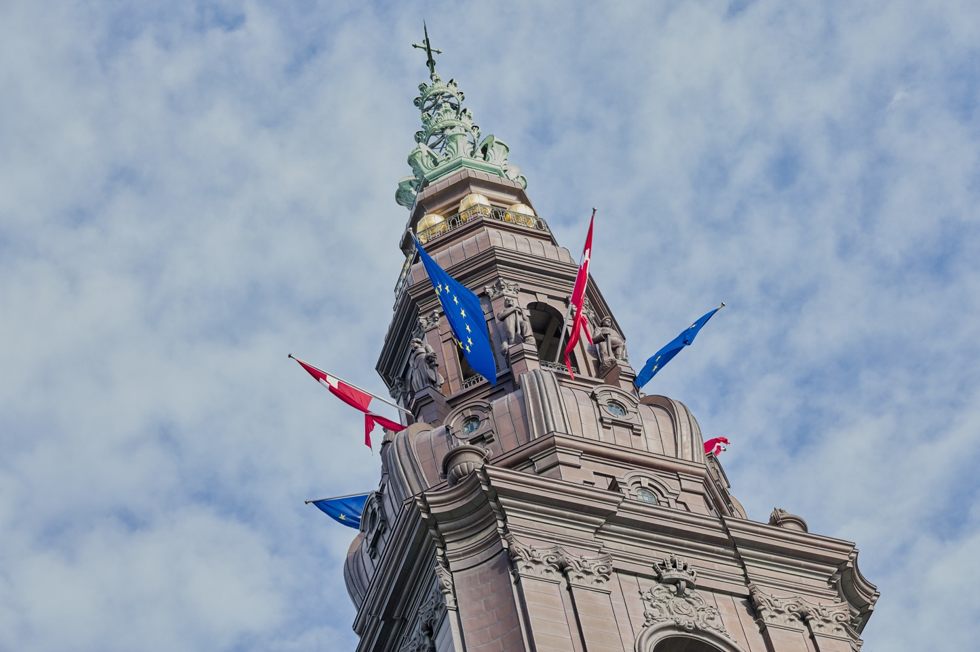
On 1 June 2022, Denmark took a significant step toward closer European defence cooperation. In a national referendum, 66,9% of Danish voters supported abolishing Denmark’s EU defence opt-out, which had been in place for almost 30 years. The result marked a shift in Denmark’s approach to EU defence cooperation and raised an important question: Why did Denmark reconsider its long-standing defence opt-out after almost three decades?
Denmark’s EU defence opt-out originated in the rejection of the Maastricht Treaty in 1992. Following the referendum, the Edinburgh Agreement addressed Danish concerns by establishing exemptions in several areas, including defence. The arrangement, later reflected in Protocol No. 22, meant that Denmark could not participate in EU decisions and actions with defence implications covered by the opt-out. Such arrangements are examples of differentiated integration, whereby EU member states do not necessarily participate in all areas of cooperation to the same extent. For Denmark, the defence opt-out provided a way to address national concerns while continuing to participate in other areas of European integration.
Russia’s full-scale invasion of Ukraine in February 2022 changed the European security environment and brought renewed attention to Denmark’s position on EU defence cooperation. On 6 March 2022, the Danish government and several opposition parties reached a national agreement on security policy. Alongside plans to increase defence spending, they agreed to hold a referendum on the defence opt-out. Although Denmark’s participation in EU defence cooperation had been debated several times before, the invasion of Ukraine gave the issue new urgency. It created a political context in which a long-standing arrangement could be reconsidered.
Following the referendum, Denmark’s defence opt-out was abolished on 1 July 2022, enabling full participation in the EU’s Common Security and Defence Policy. In March 2023, Denmark joined the European Defence Agency, and in May of the same year, the Council of the European Union confirmed Denmark’s participation in Permanent Structured Cooperation (PESCO). These developments opened new opportunities for Danish participation in EU defence initiatives and decision-making. Denmark also began contributing to the EU’s peacekeeping Operation Althea in Bosnia and Herzegovina in October 2022, illustrating how the decision translated into practical cooperation.
Denmark’s move from opting out of EU defence cooperation to full participation shows how national democratic decisions and changing international circumstances together can reshape a member state’s role within the EU.
Mayada Magdi, Highlight 29/2026: From opt-out to opt-in: Denmark’s changing role in EU defence cooperation, 13 October 2026, available at www.meig.ch
The views expressed in the MEIG Highlights are personal to the authors and neither reflect the positions of the MEIG Programme nor those of the University of Geneva