
Highlight 28/2026: What role did MINUSMA play in the relations between Mali and the United Nations?
Setigui Dembélé, 8 octobre 2026
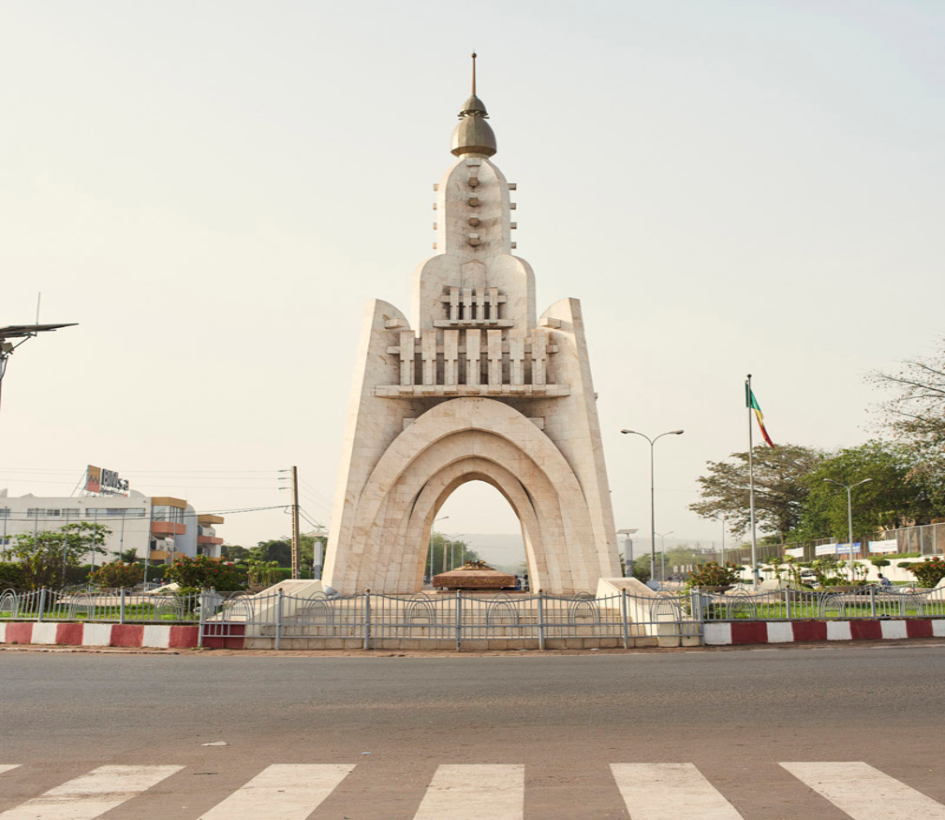
Mali became the 98th member of the United Nations on September 28, 1960, following the sponsorship of Ceylan (actually Sri Lanka) and Tunisia. Since then, it has maintained a permanent mission in New York, and later on in Geneva, to make its voice heard in global debates, defend its strategic interests, and strengthen its relations with other UN member states.
The recent history of the relations between Mali and the United Nations has been shaped by the presence of the United Nations Multidimensional Integrated Stabilization Mission in Mali (MINUSMA), established following the crisis in the country’s north, which was marked by an independence rebellion.
The United Nations Security Council therefore established MINUSMA through Resolution 2100 of April 25, 2013, taking over from AFISMA (the African-led International Support Mission to Mali). Its main tasks included stabilizing the country after the 2012 crisis, protecting civilians, helping restore state authority, and defending human rights and supporting humanitarian action.
During MINUSMA’s presence, relations between the Mali and the UN were significantly strengthened in several areas: security, through cooperation between the Malian Armed Forces and the UN peacekeepers; diplomacy, through ongoing dialogue between the Security Council and Mali’s international partners; peace, through its support for implementation of the Algiers Agreement; and humanitarian action, including the rehabilitation of certain police stations and courts in the District of Bamako and elsewhere in the country.
Over time, however, it became clear that MINUSMA was unable to meet the urgent and existential expectations of the people of Mali, many of whom had placed great hope in the force as a means of protection against terrorist groups.
Insecurity gradually spread to the country’s central regions and then to other areas that had previously been spared such brutal violence. Other sources of tension included the politicization of human rights issues by certain powers a mandate they considered ill-suited to conditions on the ground. But also repeated requests by the Malian authorities for a more robust mandate, he failure to achieve stabilization objectives and the lack of progress on the longstanding call for an offensive mandate in other words, for “a more proactive and robust posture.”
In 2017, the Malian authorities also made an appeal that went unanswered, calling for increased resources and enhanced logistical capabilities so that the UN force could conduct counterterrorism operations. Similarly, at the United Nations General Assembly in September 2022, Colonel Abdoulaye Maiga, then serving as interim Prime Minister, renewed the appeal, calling for a change of paradigm.
It was against this backdrop of unanswered appeals, disagreements with the transitional authorities, and growing tensions that the authorities asked MINUSMA to leave on June 16, 2023, denouncing its ineffectiveness and politicization.
The end of MINUSMA’s mission in Mali marked a turning point in relations between the two sides, but it did not mean the end of cooperation between Mali and the UN. Cooperation between Mali and the United Nations existed before MINUSMA arrived and continues at least as much as before: “the government is willing to cooperate with the United Nations” said His Excellence Mister Abdoulaye DIOP, Ministry of Foreign Affairs and International cooperation.
In the end, ensuring that the mandates of peacekeeping operations are adapted to realities and expectations on the ground, is essential to the successfulness of the mandate.
Setigui Dembélé, Highlight 28/2026: What role did MINUSMA play in the relations between Mali and the United Nations?, 8 October 2026, available at www.meig.ch
The views expressed in the MEIG Highlights are personal to the authors and neither reflect the positions of the MEIG Programme nor those of the University of Genev